
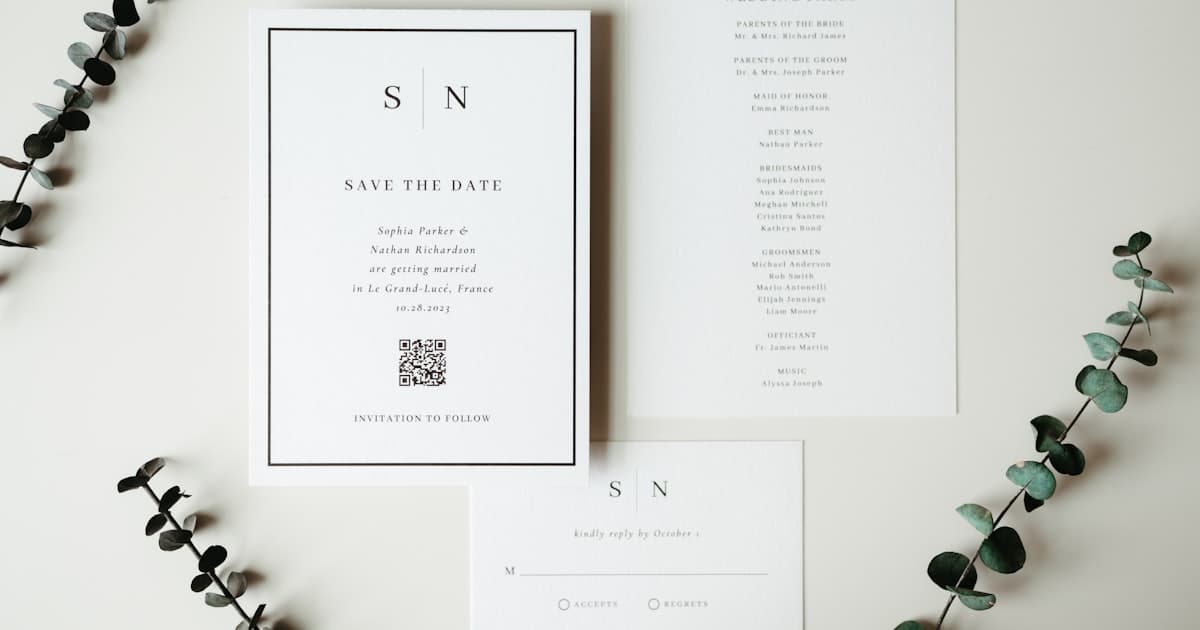
The debate is over — most couples in 2026 are not choosing between digital vs printed wedding invitations. They are using both. The real question is who gets what, how much each path costs, and how to make the hybrid approach feel intentional rather than inconsistent.
If you are weighing a paper vs digital wedding invite and wondering where to draw the line, this guide covers the comparison, a decision matrix by guest type, real wedding invitation cost math for 150–300 guests, and how a premium digital invite can feel just as special as letterpress on cotton stock.
For a broader overview of what digital invitations actually look like in 2026, start with our complete guide to digital wedding invitations.
The 2026 hybrid norm
A few years ago, "going digital" felt like cutting corners. Today it is the default for the majority of your guest list — and printed cards are reserved for a smaller, intentional group.
The shift happened for practical reasons: weddings got more complex (multiple events, scattered guest lists, last-minute changes), and paper could not keep up. A printed card cannot hold a five-event timeline, three venue maps, a dietary-preference form, and a countdown timer. A shareable link can.
But tradition still matters. Grandparents want something they can hold. Parents may expect a card they can display. The solution is not either/or — it is a hybrid wedding invitation strategy where you match the format to the recipient.
Printed vs digital: side-by-side comparison
| Feature | Printed invitation | Digital invitation |
|---|---|---|
| Cost per guest | $3–$30+ (design, print, postage) | $0 (one-time platform fee covers all) |
| Delivery speed | 5–14 days (mail) | Instant (text, email, WhatsApp) |
| RSVP tracking | Manual follow-up calls/texts | Built-in form with real-time dashboard |
| Multi-event details | Separate inserts or cramped text | One scrollable timeline with maps |
| Last-minute changes | Reprint and re-mail | Update once — every guest sees latest |
| Link preview on share | N/A | Rich OG preview in messaging apps |
| Keepsake value | High — tangible memento | Moderate — bookmarkable link |
| Environmental impact | Paper, ink, fuel for delivery | Minimal (hosting + device energy) |
| Guest experience | Familiar, formal | Interactive, mobile-first |
| Personalization | Name on envelope | Name on screen + guest-specific event visibility |
Neither format wins on every line. The comparison makes the case for using each where it has the edge — which is exactly what the hybrid approach does.
Decision matrix: who gets what
Not every guest needs the same format. This matrix helps you assign the right invitation type based on relationship, comfort with technology, and logistics.
| Guest group | Recommended format | Why |
|---|---|---|
| Grandparents & elderly family | Printed card + QR code | Tangible keepsake; QR links to digital for RSVP and maps |
| Parents' guest list | Printed or hand-delivered | Cultural expectation; many parents prefer distributing cards themselves |
| Close friends | Digital link (personalized) | Natural channel — text or WhatsApp; instant RSVP |
| Work colleagues | Digital link via email | Professional, low-friction; no one expects a postal invite from a coworker |
| Out-of-town / international | Digital link | No postage delays, time-zone friendly, travel details included |
| Wedding party | Personalized digital link | Includes rehearsal logistics, party-specific details, timelines |
| Plus-ones / late additions | Digital link | No reprinting; add them in minutes |
The rule of thumb: print for sentiment, digital for function. Most couples land on 20–50 printed cards for close family and a single digital invite link for everyone else.
Worried about how this lands? See are digital wedding invitations tacky? — short answer: not when done right.
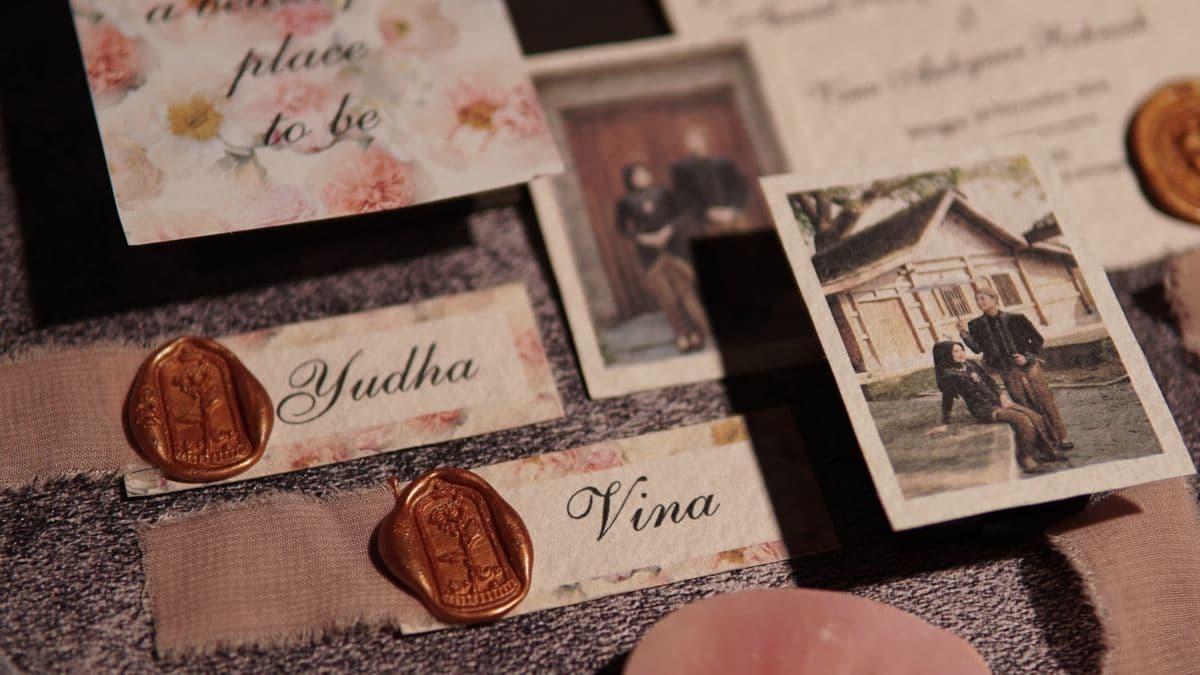
QR codes on printed cards
The smartest bridge between print and digital in 2026 is a QR code on the physical card. You keep the tradition of a beautiful printed invitation and give guests instant access to the full digital experience — timeline, maps, RSVP, music, and live updates. For placement, sizing, and testing before print, see our QR code wedding invitation guide.
This solves a practical problem most couples hit: a printed card can hold a date, venue, and dress code. It cannot hold five events across three venues with dietary-preference forms and a countdown timer. The QR code does that in one scan.
It also future-proofs your invite. If the reception venue changes two weeks before the wedding, the printed card is out of date — but the link behind the QR code is already updated.
How to add a QR code to your printed cards:
- Generate the QR code from your digital invite link (most platforms provide this)
- Place it on the back of the card or on a small insert
- Add a one-line caption: "Scan for RSVP, maps & full details"
- Test the scan on both iPhone and Android before printing
Budget math: 150–300 guests (USD)
Here is what wedding invitation cost actually looks like for a mid-size wedding in the US, broken down by strategy.
Option A — All printed
| Line item | 150 guests | 300 guests |
|---|---|---|
| Design (custom stationery) | $200–$500 | $200–$500 |
| Printing (per card, $3–$8) | $450–$1,200 | $900–$2,400 |
| Envelopes + inserts | $75–$200 | $150–$400 |
| Postage (domestic + international) | $130–$250 | $260–$500 |
| Reprints (venue/time changes) | $50–$150 | $100–$300 |
| Total | $905–$2,300 | $1,610–$4,100 |
Option B — All digital (premium platform)
| Line item | 150 guests | 300 guests |
|---|---|---|
| Platform fee (one-time) | $50–$200 | $50–$200 |
| Custom theme / design upgrade | $0–$100 | $0–$100 |
| Delivery (text, email, WhatsApp) | $0 | $0 |
| Updates and changes | $0 | $0 |
| Total | $50–$300 | $50–$300 |
Option C — Hybrid (recommended)
| Line item | Cost |
|---|---|
| 30–50 printed cards for close family | $150–$500 |
| Premium digital invite (everyone else) | $50–$200 |
| QR code generation | $0 (included) |
| Total | $200–$700 |
The hybrid path saves $700–$3,400 compared to all-printed for 300 guests — while keeping tradition exactly where it matters. That budget can go toward photography, catering, or the honeymoon.
Making a digital invite feel premium
The gap between "cheap e-invite" and "guests actually compliment this" comes down to execution. Here is what separates forgettable from memorable:
Cinematic scroll experience. The invite opens with an animated envelope, reveals your names, and flows through the wedding story — timeline, venues, gallery, RSVP. It feels like opening a gift, not clicking a notification.
Beautiful link previews. When shared on WhatsApp, iMessage, or email, a rich preview (title, image, description) appears before the guest even taps. First impressions happen in the chat thread.
Mobile-first design. Over 90% of guests will open your invite on a phone. If it only looks polished on desktop, it fails where it matters most.
Curated typography and palettes. Premium platforms use carefully chosen fonts, spacing, and color themes that match your wedding aesthetic — not a drag-and-drop editor with clip art.
No watermarks or ads. Free-tier tools often brand your invite with their logo. Your wedding invitation should not advertise someone else's product.
Real-time RSVP + updates. Guests confirm from the invite itself. You see responses in a dashboard. When the ceremony start time shifts, you update once and every guest sees the change.
Tools like Vow Invites are built specifically for this: cinematic, scroll-based digital invitations designed for mobile sharing — the kind that feel like opening an experience, not an attachment.
Wondering how digital invites stack up against full wedding websites? See our comparison: wedding website vs digital invitation.
Frequently asked questions
Will guests judge us for not sending printed invitations?
Some older guests may expect a physical card — and that is exactly why the hybrid strategy works. Send printed cards to grandparents and close family who value them, and digital invitations to everyone else. Most guests under 40 expect and prefer a digital invite they can bookmark on their phone. Guests rarely compare what format their invitation arrived in.
Is a digital wedding invitation really cheaper than printed?
Significantly. A premium digital invite costs $50–$200 as a one-time fee regardless of guest count. Printed invitations for 200 guests run $1,000–$3,000+ (design, printing, postage, reprints). The hybrid approach — 30–50 printed cards plus one digital link — typically costs $200–$700 total, saving hundreds to thousands compared to all-print.
Can I put a QR code on my printed cards for RSVP?
Yes, and it is one of the smartest trends in 2026. The QR code links to your full digital invite — timeline, maps, RSVP form, and updates. Guests scan from the physical card and get the complete interactive experience. Most digital invitation platforms generate the QR code automatically.
What is a hybrid wedding invitation strategy?
A hybrid strategy means sending printed cards to a select group (usually close family and elders) while using a digital invitation link for everyone else. Both groups see the same event details, RSVP to the same dashboard, and get the same updates — the only difference is the delivery format. It is now the most common approach for weddings with 150+ guests.
Should I send digital invitations to older relatives?
It depends on the individual. If they are comfortable with smartphones and messaging apps, a well-designed digital invite works perfectly. For those who prefer physical mail, send a printed card with a QR code that links to the full digital experience. This way they get the tangible card they expect, and you still get the benefit of digital RSVP tracking.
How do I make sure my digital invite does not look cheap?
Choose a platform built for weddings — not a generic form builder or free template tool. Look for cinematic scroll design, envelope animation, curated typography, rich link previews when shared, built-in RSVP, and no watermarks. A premium digital invite should feel like opening an experience, not clicking a link. See a live demo to compare the difference.
Related guides
- Digital wedding invitations — complete 2026 guide (global pillar)
- Are digital wedding invitations tacky?
- Wedding website vs digital invitation
- Wedding invitation cost: digital vs print (USD/EUR) — detailed platform pricing tables
- QR code wedding invitations — hybrid paper + digital placement and sizing
- Eco-friendly digital wedding invitations — sustainability trade-offs and paperless trends
- Digital vs printed wedding invitations — India edition
Ready to create yours? Start building your invite →